

Gateway to Learning
Want to invest in crypto but don't know where to start?
Learn crypto through the simplest words.

Featured Courses
More
Intermediate
Introduction to Flare (FLR)
This course provides a structured overview of the Flare Network (FLR), a Layer 1 blockchain designed to support smart contracts, decentralized data access, and cross-chain interoperability. Through technical modules, learners will understand how Flare integrates external data into on-chain applications, supports non-smart contract assets, and maintains network security and governance. The course is intended for those seeking practical knowledge of Flare’s architecture, tokenomics, protocol features, and governance systems.

Intermediate
Technical Analysis: A Useful Tool to Understand Trends in Futures Trading
Learn to interpret candlestick patterns and identify market trends. Build a technical analysis system to make informed trading decisions.

Intermediate
Introduction to Bitcoin Layer-2s
Bitcoin Layer-2s are solutions built on top of Bitcoin to help it scale, reduce costs, and unlock programmability without changing the base protocol. This course introduces the major Layer-2 architectures, how they work, and what trade-offs they involve.
Learn by Topic
Topics
Altcoins
Bitcoin
Blockchain
DeFi
Ethereum
Metaverse
NFT
Trading
Tutorial
Futures
Quant Trading
BRC-20
GameFi
DAO
Macro Trends
Wallets
Inscription
Technology
Meme
AI
SocialFi
DePin
StableCoin
Liquid Staking
Finance
RWA
Modular Blockchains
Zero-Knowledge Proof
Restaking
Crypto Tools
Airdrop
Gate Products
Security
Project Analysis
CryptoPulse
Research
TON Ecosystem
Layer 2
Solana
Payments
Mining
Hot Topics
P2P
Sui Ecosystem
Chain Abstraction
Options
Quick Reads
Video
Daily Report
Market Forecast
Trading Bots
VIP Weekly Industry Report
ETF
Top Stories
XRP
Pi Network
VIP Daily Industry Report
In-Depth Research
Gate Ventures
Weekly Report
Investment News
Perpetual DEX
Web3 For Beginners
Tron
Base
Protocols
DApp
Crypto Card
BNB Chain
Gate Private Wealth Management
Platform Highlights
Brand Videos
Product Tutorial Videos
The Latest News
TradFi
Difficulty
Beginner
Intermediate
Advanced
Latest Courses
More
Intermediate
How Institutional Capital Enters On-Chain Markets: The Evolution of ETFs, Custody, and Crypto Financial Infrastructure
This course starts from the perspective of institutional capital flows, providing a systematic analysis of how traditional finance is gradually entering the crypto market and driving the evolution of the broader digital financial ecosystem. As ETFs, institutional custody, stablecoins, and on-chain financial infrastructure continue to mature, crypto assets are transitioning from the periphery of the market to becoming increasingly integrated into the global capital system. The course not only focuses on the logic behind institutional entry but also delves into multi-asset markets, on-chain liquidity, and the convergence trends with TradFi. Through comprehensive structured learning, you will gain a deeper understanding of the future direction of financial system digitization and on-chain transformation.

Intermediate
U.S. Stocks and ETFs Explained: A Crypto Trader’s Guide to Traditional Markets
The U.S. stock and ETF markets are centered on fiat-denominated securities, with pricing and trade execution conducted through exchange matching during fixed trading sessions. Their regulatory frameworks, corporate actions, and disclosure logic differ significantly from the 24/7 cryptocurrency market. For users who primarily hold crypto assets over the long term, the securities market serves not only as an important reference for macro risk appetite but also as a potential extension for asset allocation. However, participating without understanding trading hours, instrument differences, and regulatory boundaries can lead to the misstep of "applying crypto trading habits to stock investing."
Intermediate
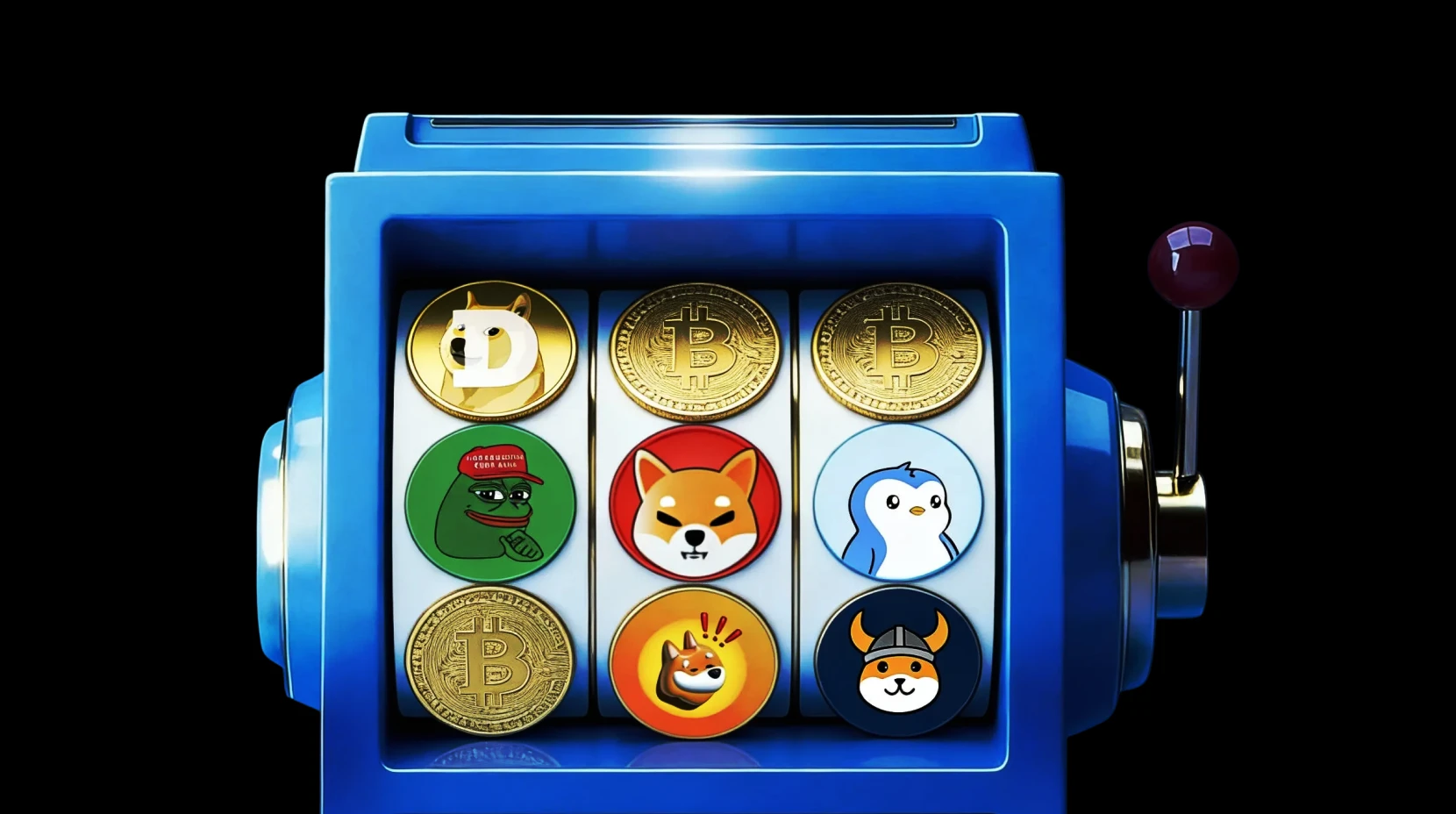
Understanding Meme Coins: Emotional Finance and Market Behavior
Meme coins have long been regarded as a market phenomenon characterized by high volatility and low barriers to entry. However, the dynamics behind them are not entirely random. This course systematically analyzes the operational mechanisms and risk boundaries of the meme coin market from three perspectives: emotional finance, on-chain behavior, and capital structure. The goal is to help learners develop a clearer framework for participating in the meme coin market.
Latest Articles
More
Beginner
What Is the KAZAR Token? Analyzing Kazar Games' Token Role and Economic Flywheel.
The KAZAR token is the core asset of the Kazar Games Superlayer ecosystem, connecting players, game studios, and the platform economy through developer tools, asset marketplace, and incentive mechanisms.
2026-06-24 07:00:20
Beginner
How Does Kazar Work? Analyzing User Experience and the NFT Game Asset Ecosystem
Kazar connects multiple games into a single ecosystem through a unified account system, wallet abstraction layer, and NFT marketplace, allowing users to retain ownership of their digital assets while enjoying an experience comparable to traditional games.
2026-06-24 06:59:42
Beginner
What Is Kazar Games (KAZAR)? A Comprehensive Look at its Blockchain Gaming Infrastructure and Economic Model
Kazar Games (KAZAR) is a Superlayer infrastructure for the Web3 gaming ecosystem, connecting multiple games to a single network via a unified wallet system, cross-game identity system, and shared economy layer, while offering PaaS services that cover publishing, operations, and growth for game studios.
2026-06-24 06:57:38